 English
 ภาษาไทย

Languages
7 Reasons Parents Choose a British School for Their Children
Submitted by amsarthailandadmin on Tue, 06/16/2026 - 16:47
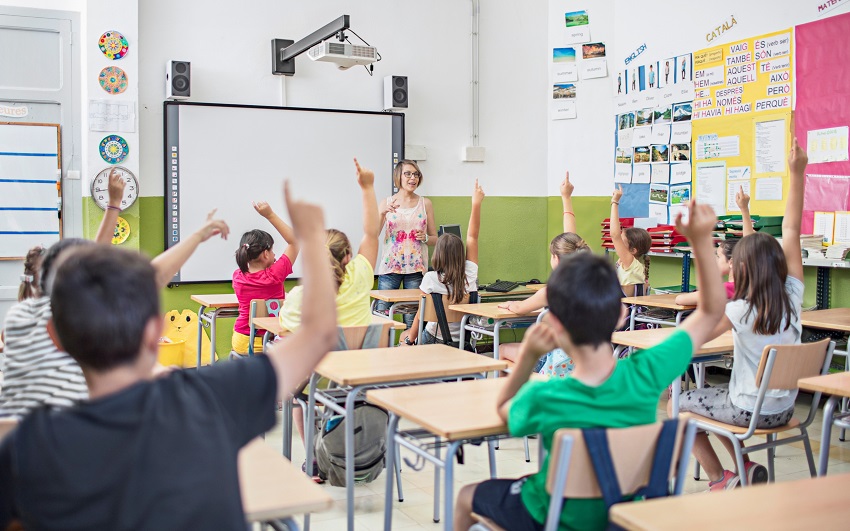
Thailand's international education scene has varied options, but the United Kingdom system continues to be the leading choice for expatriate and local families alike. And selecting an appropriate educational framework is a important thing well before saving places for university up till 2030 and professional mobility thereafter. While evaluating plans, one can see a British School comes out to be the most opted option. This preference is based on very different pedagogical principles, formal quality controls and the holistic growth of the students.
An Organised Framework Across Key Phases
The busier National Curriculum for England offers a set as yet hierarchical framework, tracking students from their early years on through to university entrance. This system structured across particular Key Stages helps ensure that the goals specified for learners are unambiguous, measurable and establishing worldwide standards. This fellow does suit parents as it means children have a seamless transition between global institutions or other schools in the UK without learning gaps.
Gold Standard Qualifications Recognized Globally
The focus at a British School comes together in two of the most internationally recognized examinations, International General Certificate of Secondary Education (IGCSE) and Advanced Level (A-Level). These tests are conducted by recognized examination boards such as Cambridge Assessment International Education and Pearson Edexcel. Performing well in these tests is internationally recognised by top universities in the UK, USA and throughout Asia, giving students an advantage in overly competitive college admissions.
Focus on Analytical Skills instead of Pure Memory
In the United Kingdom framework, modern pedagogy moves away from rote learning and shifting to deep understanding or critical analysis via inquiry within a foundation of constructivism. British SchoolClassrooms in a British School are interactive environments where students question theories, debate concepts and work collaboratively on project-based assignments. Such a pedagogy is imperative to develop problem solving and critical thinking skills in students who will need to adapt quickly to the rapidly changing global industries.
Stringent External Quality Assurance and Governance
Schools are regularly audited by independent bodies to determine if they meet the strict United Kingdom educational requirements in order to help maintain educational standards. The BSO framework is a tool used by organizations like the Education Development Trust to assess schools on areas such as the quality of education, student welfare, spiritual and moral development and governance. This external validation gives parents reassurance that the institution is performing at a standard comparable to leading English schools.
Pastoral support for student wellbeing across a school system (New South Wales, Australia)
Well-being and self-improvement strongly accompany good school performance. In British tradition, pastoral care is extremely important- this is the system set in place to look after the emotional and social welfare of each student. Students have (house systems), individual tutors, and counselled about every aspect of their life. By creating this welcome atmosphere, children learn to be safe with themselves and others while overcoming academic and personal challenges.
Cultivating Values and Global Citizenship
The curriculum combines the development of core values, such as mutual respect for and tolerance of those with different faiths and beliefs and personalities, freedoms to develop as individuals that embrace democracy along with a framework of laws. These values help developing deep cross-cultural understanding in the multicultural environment of an international school in Thailand. While learning to respect diverse viewpoints, students feel a deep sense of social responsibility and develop the skills necessary to become responsible members of global society.
A Range of Character Building Co-Curricular Opportunities
Education is not just classroom. The curriculum includes a full set of co-curricular activities, including competitive sports, the performing arts, debating societies and community service projects. By taking part in such activities, and with programs like The Duke of Edinburgh’s International Award coupled with attendances at events all over the world, students develop those soft skills – what is often viewed as ‘the three Rs’ but basically leadership, team play and resilience.